Everyone photographs them; few people know the rules. Here’s what you need to know about the twin islets off Lanikai before you paddle out.
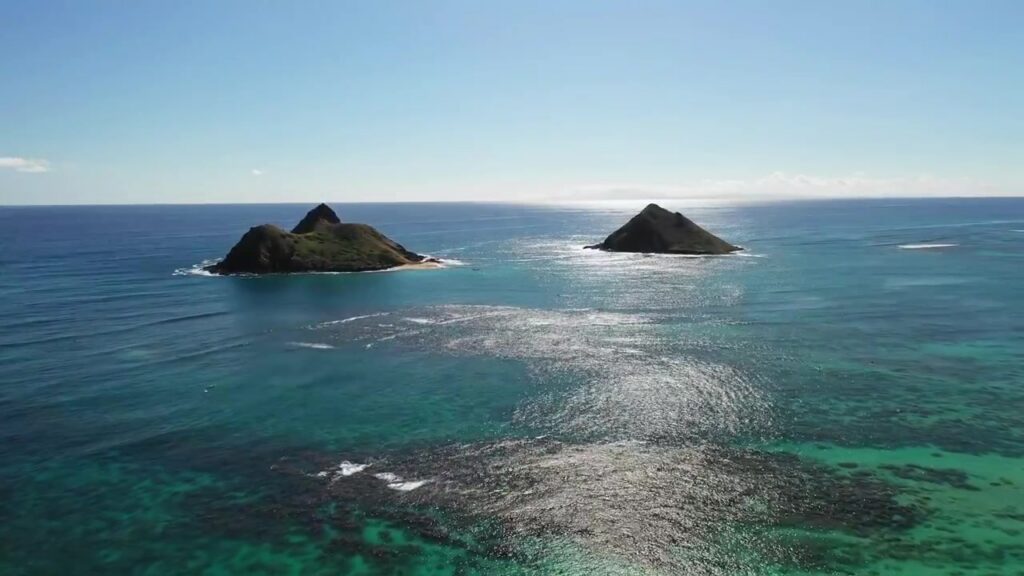
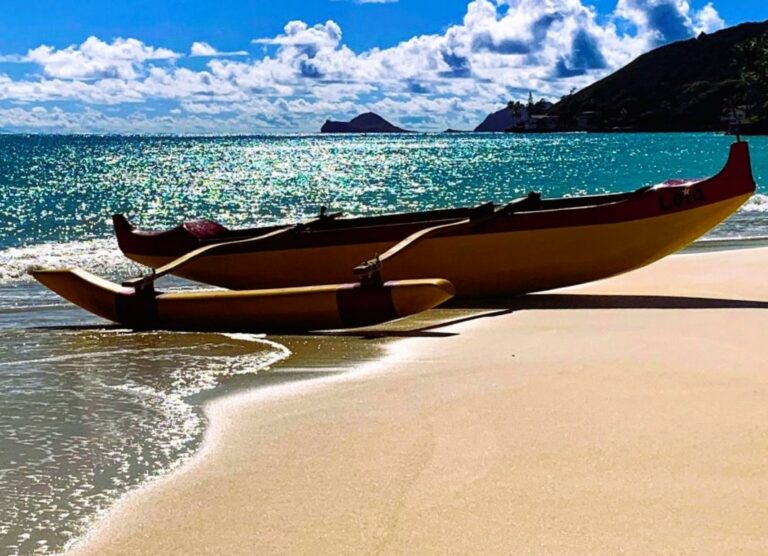
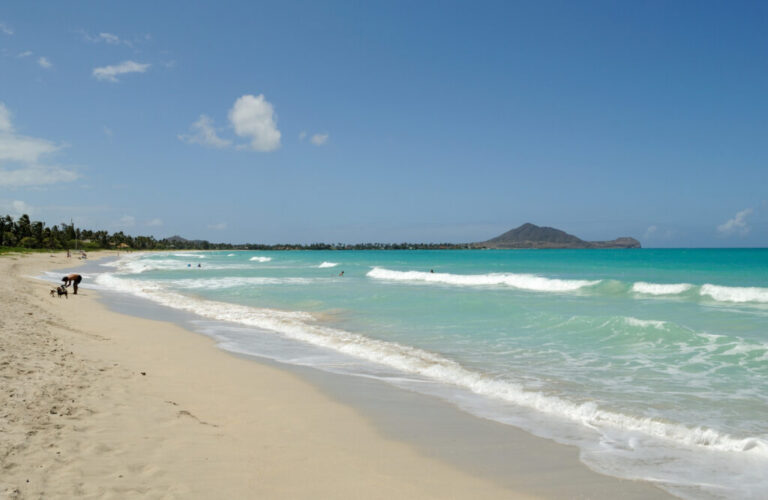
Moku Nui and Moku Iki seen from the water.
The basics
Two islands, one sanctuary
Moku Nui (“big island”) is the larger one on the left as you face the ocean from Lanikai; Moku Iki (“little island”) sits to its right. Together they’re called Nā Mokulua, or just “the Mokes.”
Both are state seabird sanctuaries managed by the Department of Land and Natural Resources. Their main residents are wedge-tailed shearwaters, ʻuaʻu kani, which dig nesting burrows in the soil and vegetation.
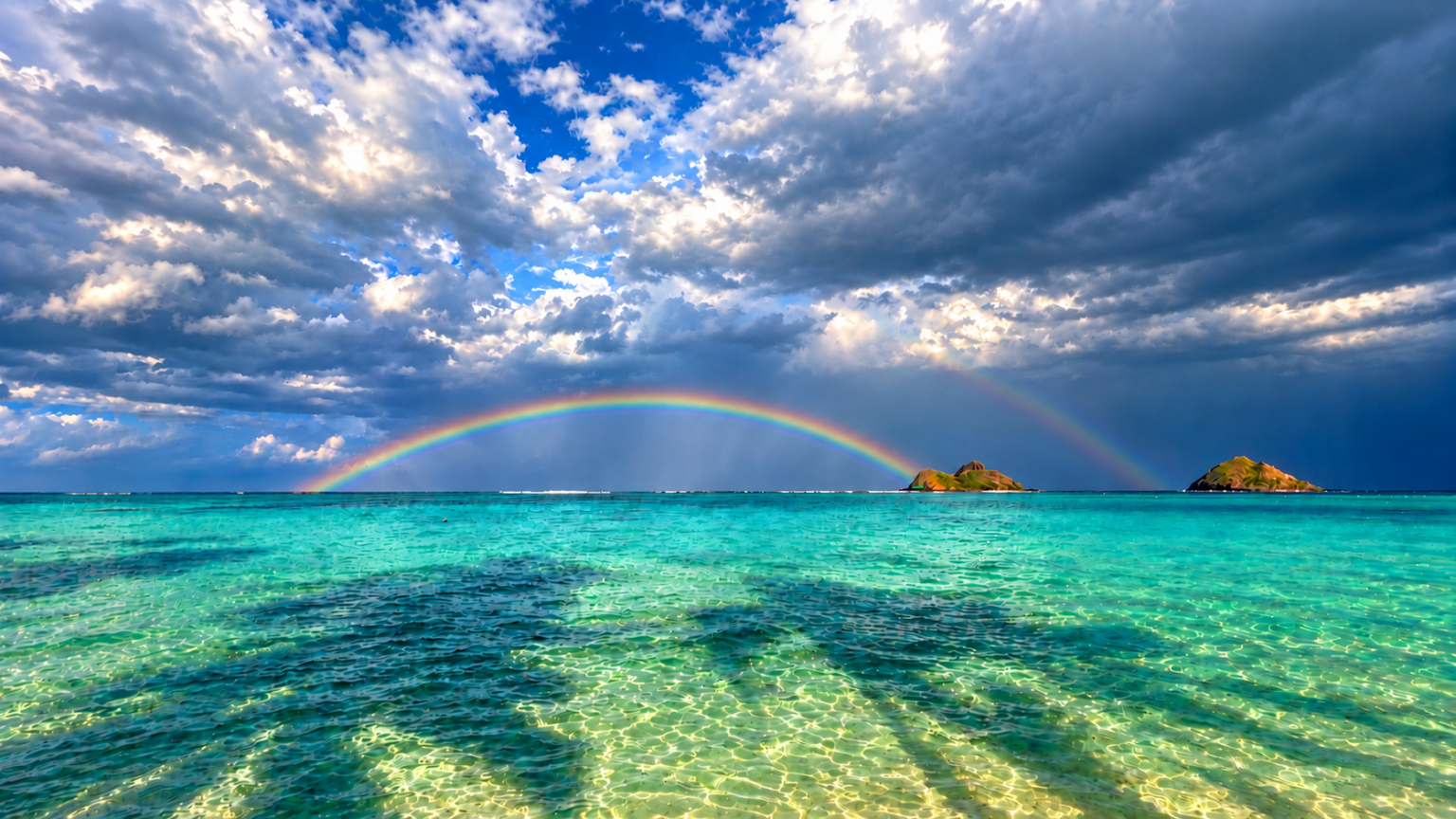
A rainbow over Nā Mokulua. Photo: @MokuluaMornings by Nini Maxey
The rules, in plain English
If you land
Stay on the shoreline. Only the area below the high-water mark is open. The vegetated interior is closed.
Daylight only. The islets close from sunset to sunrise.
Leave it bare. No fires, camping, tents, tarps or dogs.
Respect the signs. Temporary closures happen, especially during nesting season or when monk seals haul out.
Tour operators need a permit. Commercial landings are limited to Moku Nui.
Why it matters. A single footstep can collapse a shearwater burrow with an egg or chick inside. Keeping to the sand and rocks at the edge is the whole game.
Monk seals sometimes rest on the islands and on Lanikai Beach. Give them plenty of room, at least 50 feet, and never feed or approach them.
Getting there
Should you paddle out?
It’s roughly a mile from Lanikai Beach, mostly over open water outside the reef. On a calm morning it’s a highlight for confident paddlers. On a windy afternoon it can turn into a hard slog home, or worse.
Go out early, check the marine forecast, wear a life vest, and turn back if whitecaps start building. New to it? Book a guided tour from Kailua, or enjoy the view from the sand. It’s one of Oʻahu’s best.
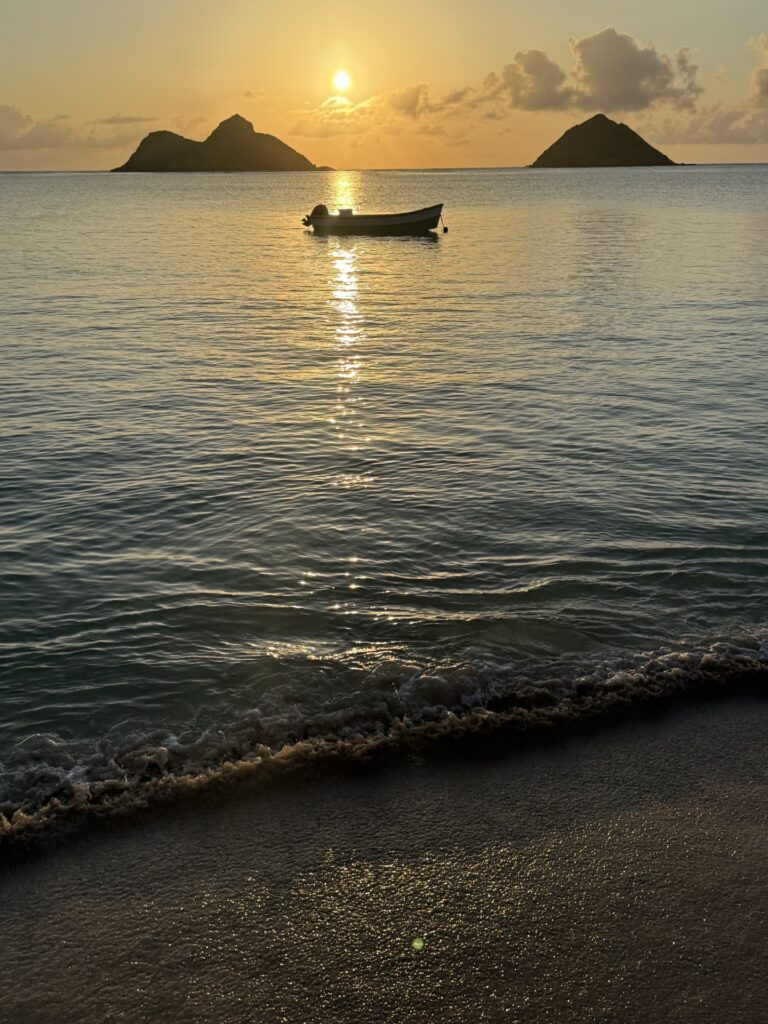
First light behind Nā Mokulua.
Bonus island
Popoiʻa, or Flat Island
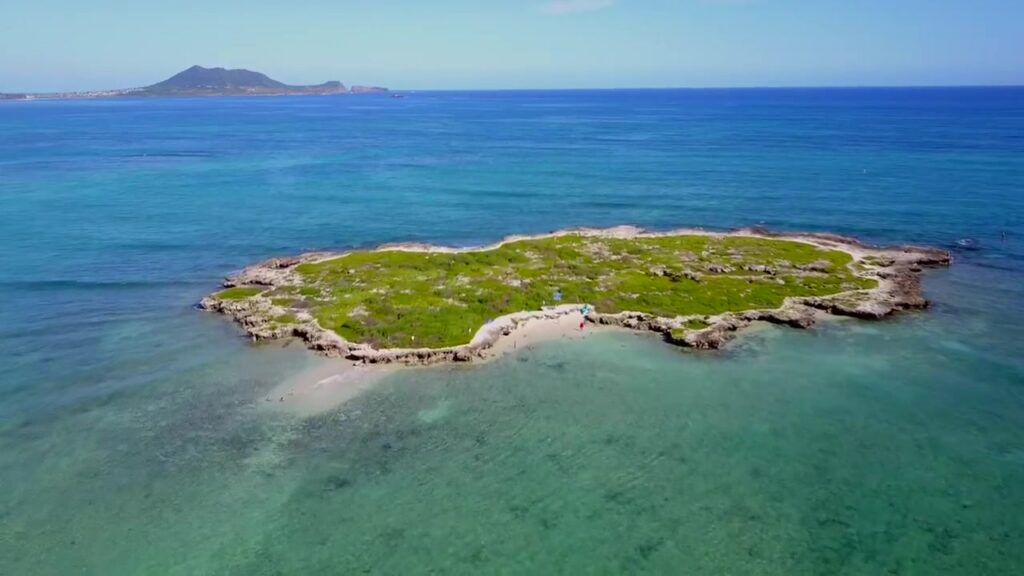
Off Kailua Beach Park sits a third sanctuary: low, flat Popoiʻa, about three and a half acres. It’s home to nesting shearwaters and Bulwer’s petrels (ʻou).
The same idea applies: stay on the shoreline, stay out of the plants, and be off by sunset. It’s a popular first paddle from Kailua because it’s close to shore.
Popoiʻa (Flat Island) off Kailua Beach.
Keep exploring
Plan the rest of your day
Lanikai Beach & Ocean
How to get to the sand, when to swim, and what the wind and water are telling you.